Historical Context
A Revolutionary Generation
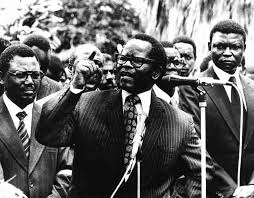
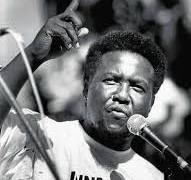
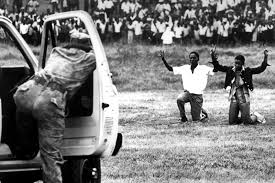
During apartheid’s darkest era, a bold and determined group of South African youth emerged known as the “Young Lions.” Led by figures like Peter Mokaba, they became symbols of youth-driven resistance and revolution.
Unlike earlier movements, these young activists embraced direct action, mass mobilization, and uncompromising resistance. They prioritized political education and grassroots organizing, challenging the oppressive system head-on.
In 1987, the South African Youth Congress (SAYCO) was established, playing a critical role in uniting youth under the liberation movement and empowering them with leadership tools. Mokaba was central to SAYCO’s influence and momentum.
The Young Lions not only disrupted apartheid internally but also inspired international solidarity, increasing global pressure on the regime and laying foundations for alternative forms of governance and social justice.
Their legacy is a powerful reminder of how youth activism can ignite change, demand justice, and shape the future.
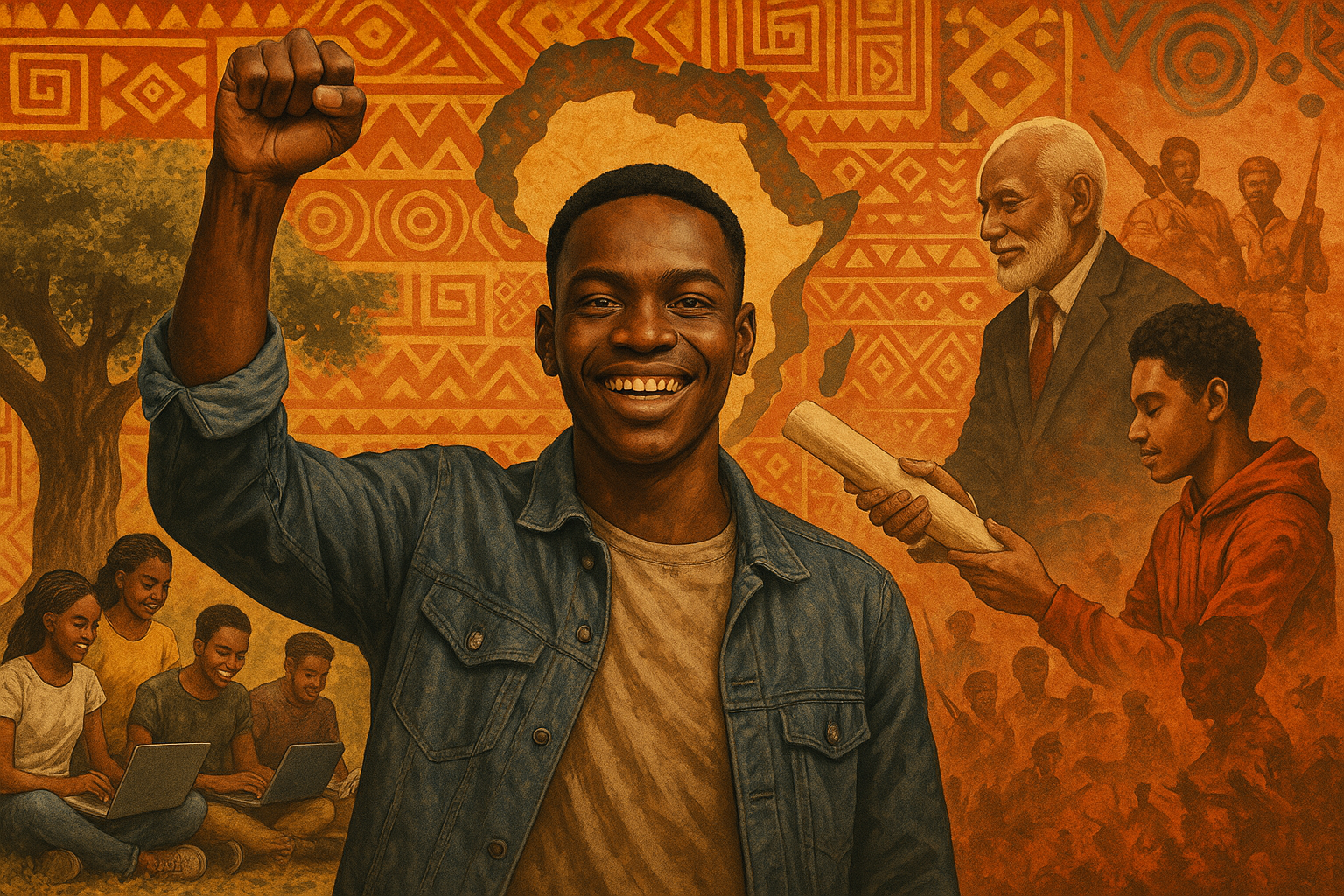
Vision
To nurture a new wave of socially aware and visionary leaders equipped to build a brighter future for Africa and the global community.
Mission
We aim to unlock the potential of young people by providing mentorship, building skills, and forming impactful partnerships—encouraging a mindset of excellence, accountability, and creativity.
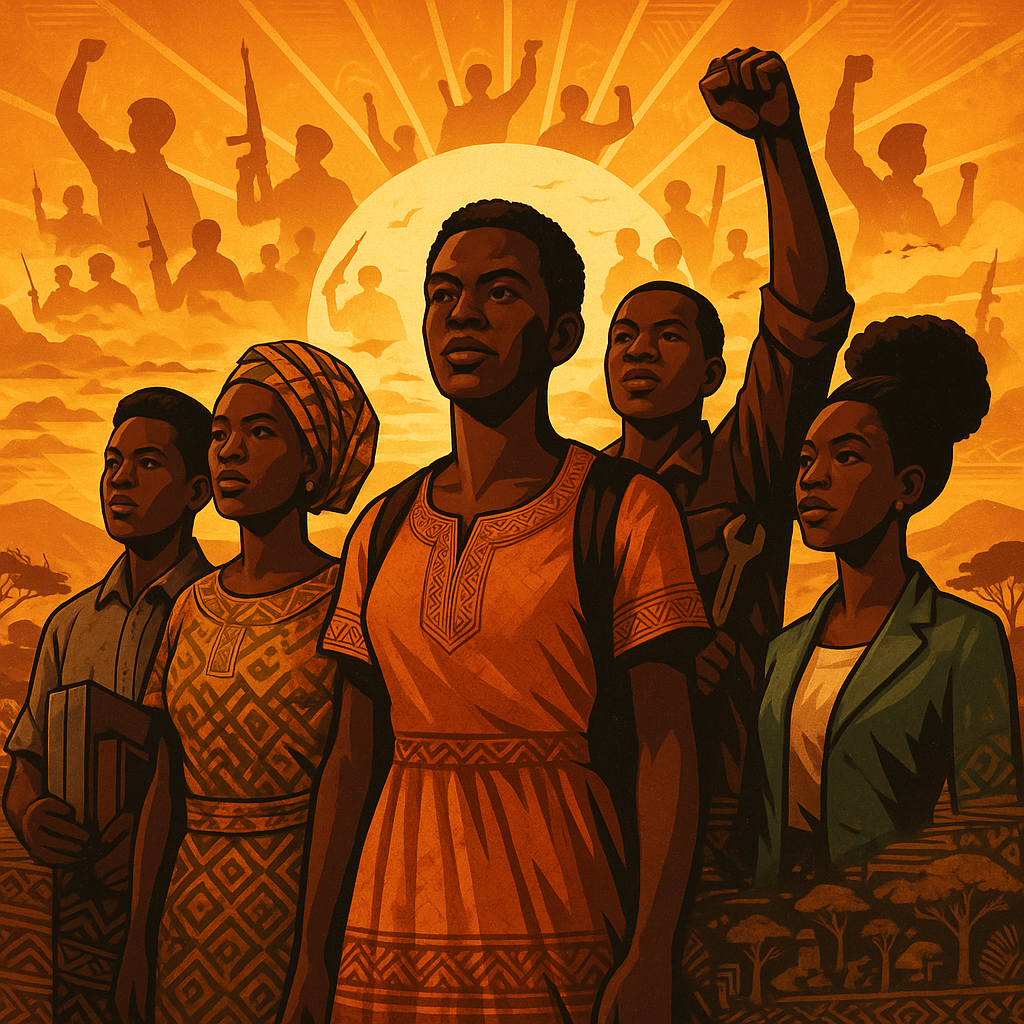
Core Values
Leadership: We are committed to developing accountable, forward-thinking leaders who drive meaningful transformation.
Education: We value lifelong learning as the cornerstone of growth and advancement.
Innovation: We support inventive thinking to solve real-world challenges.
Unity: We foster inclusive collaboration, embracing diversity and shared purpose.
Community Engagement: We build strong connections at both local and national levels to amplify collective progress.
Stories
Latest in Community
Beyond the confines of traditional academia, our organization is deeply rooted in community development. Igniting youth, transforming nations.
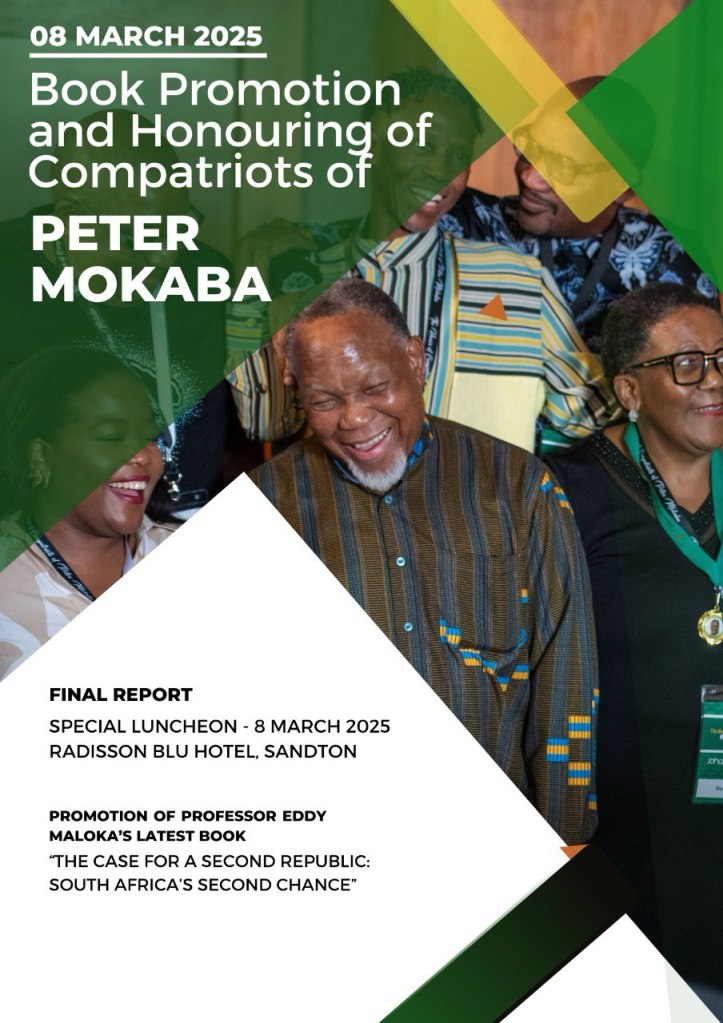
On Saturday, March 8, 2025, Professor Eddy Maloka hosted a luncheon for 180 esteemed guests to highlight his new book, The Case for a Second Republic: South Africa’s Second Chance. The gathering brought together influential figures such as former President Kgalema Motlanthe, former Deputy Finance Minister Mcebisi Jonas, Deputy Ministers Andries Nel and Dr. Joe Phaahla, various MECs, ambassadors, and numerous former Young Lions affiliated with Peter Mokaba.
In addition to discussing the book, the event also served as a tribute to the Young Lions of the 1980s and 1990s. The first group honored included five prominent leaders from COSAS, AZASO, and the South African Youth Congress: Comrades Rapu Molekane, Lulu Johnson, Dipuo Peters, Nyami Booi, and Joe Phaahla. This marks the start of a larger effort to preserve and celebrate the legacy of that generation.
Coinciding with International Women’s Day, the occasion also provided a chance to recognize the progress of women’s empowerment in South Africa and beyond. The celebratory mood was elevated by performances from Mo-T of Mi Casa and singer KB Motsilanyane, while Comrades Neville Naidoo and Tsakane Mahlaule ensured the event ran smoothly.
The strong national turnout and engagement underscored the significance of continuing such legacy-building initiatives.

“
We seek to create a united democratic and non-racial society”
Oliver Tambo


 Zambezi Organization